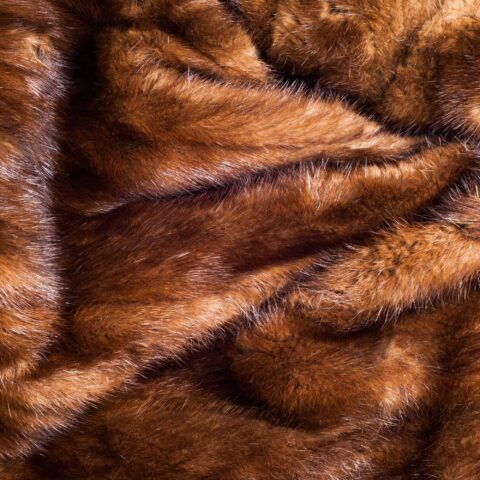
How to Clean, Store, and Restore Real Fur and Shearling

A real fur coat can remain part of a wardrobe for decades, but longevity depends on something more complicated than keeping the garment visibly clean. Fur is an organic material. Its appearance and performance depend on the condition of both the hair and the skin beneath it, and the two respond differently to dirt, moisture, heat, friction, household chemicals and improper storage. Shearling presents another challenge because the wool and leather are two sides of the same skin. A beautiful coat can therefore look perfectly wearable while deterioration is quietly occurring underneath the surface.

This is why the answer to how to clean a fur coat is fundamentally different from the answer for an ordinary wool coat or synthetic jacket. Real fur should not be put in a washing machine, treated with conventional laundry detergent or aggressively spot-cleaned with household stain removers. It also shouldn’t spend the summer compressed into a plastic garment bag in a warm closet. The objective of proper fur care is not merely to remove visible dirt. It is to preserve the suppleness of the underlying skins, maintain the natural oils and luster of the fur, prevent matting and crushing, control moisture exposure and store the garment under conditions that slow deterioration.

Davis Imperial Cleaners has specialized in cleaning and restoring leather and fur garments for more than 46 years, supported by a family fabricare tradition extending more than 65 years in Chicago. Our specialists receive ongoing education in the treatment of specialty materials, including fur, leather and suede. Whether you’re caring for a vintage mink, a contemporary shearling jacket, a fur-lined coat or a light-colored fur that makes every trace of soil more noticeable, understanding what these materials actually need is the first step toward preserving them.

How to Clean a Fur Coat Without Damaging the Pelt

The safest rule is also the simplest: do not wash real fur at home. Davis Imperial specifically advises against putting a fur coat into a washing machine because soaps, detergents and chemical stain removers can damage the material. Fur is not simply a textile with hair attached to it. Each pelt includes a skin structure whose condition influences the strength, flexibility and longevity of the finished garment. An aggressive home-cleaning method can affect the hair while simultaneously drying, stiffening or otherwise damaging the skin underneath.

If a minor fresh spill occurs, resist the instinct to scrub. Davis Imperial recommends gently dabbing the affected area with a clean cloth; a slightly damp cloth can also be used to gently blot a minor spot. Avoid vigorous rubbing, which can work material farther into the fur, disturb the direction of the hair or create a visibly altered area. If the mark doesn’t release easily, stop rather than escalating to soap, stain remover or another household chemical. A difficult stain is a reason to seek professional care, not a reason to use a stronger DIY product.

Professional fur cleaning is fundamentally different from ordinary home laundering. At Davis Imperial, fur garments are cleaned in wooden drums and then expertly glazed. The objective is not simply to make the surface look cleaner. Proper care removes accumulated dirt and debris while preserving the characteristics that give well-maintained fur its softness, fullness and sheen.

Why Fur Cleaning Is Really About the Natural Oils

One of the most important concepts in fur maintenance is oil balance. The characteristic sheen of healthy fur isn’t simply cosmetic. Davis Imperial explains that the base of a fur coat releases natural oils that move throughout the fur and contribute to its lustrous appearance. Dirt, dust and other particles can become absorbed by those oils, interfering with their movement and eventually leaving fur looking dull, patchy or tired.

This explains why waiting until a fur coat looks dirty isn’t necessarily a good maintenance strategy. The contamination accumulating within the fur may already be affecting the garment before dramatic discoloration becomes visible. Professional cleaning removes dust and debris that interfere with the fur’s natural oils, while appropriate finishing helps restore the appearance and hand of the garment. Davis Imperial recommends having a fur coat professionally cleaned and cared for at least once a year to help maintain those natural oils and preserve its condition.

Annual care becomes especially relevant in Chicago. A fur coat worn throughout a real Midwestern winter encounters far more than cold air: road grime, airborne particulates, precipitation, indoor heating, restaurant environments, automobile interiors, perfume, cosmetics and repeated friction all become part of the garment’s seasonal history. Cleaning before long-term storage removes the winter from the coat rather than sealing those residues into it for another season.

What Does It Mean to “Glaze” a Fur Coat?

Glazing is an important distinction between specialized fur care and treating a fur coat as if it were an ordinary piece of fabric. After professional cleaning, Davis Imperial’s fur garments are expertly glazed to restore their finished appearance. This finishing stage helps restore the fur’s smooth, lustrous presentation after accumulated soil has been removed.

Think of cleaning and glazing as related but distinct objectives. Cleaning addresses contaminants that have accumulated within the garment; professional finishing addresses how the fur looks and feels afterward. A coat that has gradually become dull over several winters may need more than superficial stain removal to regain the visual depth and sheen associated with properly maintained fur.

This is also why repeatedly experimenting with home products is a poor substitute for professional fur care. The goal isn’t simply to make one dirty spot disappear. Fur maintenance involves preserving the character of the entire garment.

How to Care for a White Fur Coat

A white fur coat presents an especially demanding maintenance problem because subtle changes are easier to see. Surface dust, cosmetics, atmospheric contaminants and general wear can become visually conspicuous against white or cream fur long before the same degree of soil would be noticeable on a dark coat. Attempts to compensate with household whitening products, bleach or aggressive stain treatments can create a much larger problem than the original discoloration.

Never assume that a product is safe simply because it is marketed for white fabric. Real fur is not conventional white laundry, and a whitening chemistry designed for cotton or a synthetic textile isn’t automatically appropriate for a natural pelt. Likewise, avoid trying to brighten an entire white coat because one area looks slightly dull. Differences in age, exposure, construction and previous treatment can influence what is realistically achievable.

A professional fur specialist can evaluate the garment as a whole before deciding how it should be processed. For an investment white fur coat, that assessment is especially important because the safest treatment is determined by the actual material and its condition—not by its color alone.

What to Do When Your Fur Coat Gets Wet

Snow and rain happen, particularly during a Chicago winter. A small amount of moisture does not automatically mean your coat has been ruined, but how you dry it matters enormously. Davis Imperial recommends shaking a damp fur coat to release water trapped within the fibers and then allowing it to hang dry in a well-ventilated area away from direct heat.

Do not accelerate the process with a hair dryer, radiator, heating vent, clothes dryer or another concentrated heat source. Excessive heat can harm the underlying skin and compromise the garment. The objective is gradual drying with air circulation, not rapid dehydration.

If the coat becomes thoroughly soaked rather than lightly damp, professional attention is the safer choice. Davis Imperial recommends professional care for fur that cannot be dried naturally, because a specialist can take additional measures to dry and treat the garment appropriately. A completely saturated pelt creates a different conservation problem than a few snowflakes melting on the surface.

How to Clean a Fur-Lined Coat

A fur-lined coat can actually be more complicated than a garment made predominantly from one material because several cleaning requirements coexist within the same piece. The outer shell might be wool, cashmere, leather, suede or another fabric, while the lining, collar, hood or cuffs contain real fur. Treating the coat according to the needs of only one component can put another at risk.

Davis Imperial’s broader couture-cleaning process begins with inspection and determining the best cleaning method for the actual garment. Its specialists are trained to understand fabrics and trims, and delicate natural fibers receive appropriately gentle treatment. That material-specific approach is especially important for mixed-media outerwear because the safest process has to respect the most vulnerable elements of the construction.

Before attempting to clean a fur-lined coat yourself, therefore, identify what the coat is actually made from. If the care label identifies real fur, leather, suede, shearling or several specialty materials, professional evaluation is generally the safer route. A process that would be perfectly reasonable for the textile shell may not be appropriate for the fur trim or leather components.

Shearling Requires Its Own Kind of Care

Shearling is frequently discussed alongside fur, but its construction deserves separate consideration. A genuine shearling garment is made from sheepskin or lambskin with the wool retained. That means you’re caring for both the soft wool surface and the leather skin that gives the garment its structure.

This combination makes aggressive home washing particularly risky. Excess water, detergents, household stain products and uncontrolled drying can affect the appearance and feel of the wool while also influencing the leather. Davis Imperial recommends professional cleaning for leather garments and notes in its Fabric Guide that normal dry-cleaning methods do not produce appropriate results for all leather materials.

For minor surface incidents, the conservative principle remains useful: blot rather than scrub, avoid over-the-counter stain-removal products, and don’t saturate the material. If a shearling coat has significant staining, discoloration, odor, water exposure or changes in texture, a specialist should evaluate it before treatment.

Suede Is Not Simply “Soft Leather”

Suede deserves similar caution. Davis Imperial defines suede as leather finished by buffing the flesh side of the skin to create its characteristic nap. That nap is exactly what gives suede its beautiful tactile quality—and what makes careless stain treatment so visible. An aggressive attempt to remove one spot can flatten, darken or otherwise alter the surface, leaving a clean-looking patch that is almost as conspicuous as the original stain.

If you’ve found yourself searching for a “suede cleaner near me” after spilling something on a designer coat, don’t use the waiting period to experiment with multiple cleaners from the store. Davis Imperial specifically recommends avoiding over-the-counter stain-removal products for specialty coat materials and advises professional cleaning as the safest approach for significant staining.

The same principle applies when searching for “leather cleaners near me.” The question shouldn’t only be whether a cleaner accepts leather. Ask whether the cleaner specializes in the material, understands differences among leather finishes and provides restoration as well as routine cleaning. Specialty outerwear represents a different technical challenge from ordinary shirts or trousers.

Clean Fur Before You Put It Away for the Summer

Seasonal storage begins with cleaning, not with finding an empty closet. Davis Imperial recommends thoroughly cleaning specialty coats before storage to remove stains and help prevent discoloration and lingering odors. For fur, this has the additional benefit of removing dirt and dust that can interfere with the natural oils responsible for its appearance.

Storing a soiled coat for months gives contaminants more time to remain in contact with the material. A stain that seemed inconsequential in March may be considerably less welcome when the coat comes out again in November. Cleaning at the end of the wearing season also means the garment is ready when the first genuinely cold Chicago day arrives.

This is particularly important for pale fur, shearling and suede, where accumulated soil can alter the overall appearance even without one dramatic stain. Seasonal professional care treats storage as part of maintenance rather than simply the period when the coat isn’t being worn.

Cold Storage Is the Gold Standard for Real Fur

For real fur, the storage environment matters enough that Davis Imperial specifically recommends professional cold storage. Its published fur-care guidance identifies approximately 45°F and 58% humidity as the recommended environment. Those conditions are dramatically different from a warm apartment closet during a Chicago summer.

Temperature and humidity matter because fur is a biological material. Excessively warm or dry conditions can contribute to the drying and aging of the skins, while inappropriate moisture conditions introduce other risks. Professional cold storage creates a more controlled environment intended to protect the material while it is out of season.

This is one of the most important differences between fur storage and ordinary wardrobe storage. A wool overcoat may spend the summer comfortably in a well-maintained closet. An investment fur benefits from environmental conditions specifically selected for the material.

If You Store Fur at Home, Never Put It in Plastic

If professional cold storage isn’t being used, Davis Imperial’s guidance is unequivocal about one common mistake: do not cover real fur in plastic. Plastic doesn’t provide the ventilation fur requires. Davis Imperial warns that preventing the garment from breathing can dry the skins and prematurely age the coat.

Instead, give the garment room. Use a broad hanger that supports the shoulders rather than concentrating the coat’s weight on narrow points. Avoid crushing the fur between tightly packed garments, and choose a storage environment where the coat is protected without being compressed.

Breathability matters for other specialty outerwear as well. Davis Imperial recommends breathable garment bags for coats placed into seasonal storage because they can provide protection from dust and insects without creating the same sealed environment as plastic.

The elegant garment bag from the store may look like an incidental accessory. For specialty materials, proper storage packaging is part of the preservation system.

Give Fur Physical Space

Fur can also be damaged mechanically. Davis Imperial warns that jewelry and shoulder bags can repeatedly press against fur, matting or wearing areas where prolonged friction occurs. The same principle applies to storage. A fur coat compressed between a dozen heavy garments can lose the loft and fullness that give it its character.

Even sitting can affect fur. For extended periods, Davis Imperial recommends avoiding crushing the coat beneath your body. Placing it over the back of a chair or laying it across your lap can reduce prolonged compression.

These details may sound minor compared with professional cleaning, but preservation is cumulative. A luxury coat rarely deteriorates because of one dramatic mistake alone. More often, years of heat, friction, dust, poor hanging, infrequent cleaning and improper storage gradually change the material.

How to Restore an Older Fur Coat

Restoration begins with determining what has actually happened to the garment. A fur coat can be dirty, matted, dull, dry, torn, odor-affected or physically damaged, and those conditions aren’t interchangeable. Davis Imperial provides professional cleaning, glazing and repair for fur and fur-trimmed garments, allowing specialists to address more than surface soil.

A dull coat, for example, may benefit from professional cleaning that removes accumulated particles interfering with its natural oils, followed by expert glazing. A damaged garment may require repair. A coat affected by excessive moisture needs a different response. Vintage fur may require a more conservative assessment because age can affect the strength and flexibility of the skins even when the exterior remains visually impressive.

Restoration should therefore begin with inspection rather than a predetermined treatment. The objective is not to make every old fur look brand new at any cost. It is to determine what can safely be improved while respecting the current condition of the material.

When a Fur Coat Has Been Damaged by Water, Smoke, or a Disaster

Ordinary seasonal cleaning and disaster restoration are very different situations. Davis Imperial has provided garment restoration services to the insurance industry since 1956 and maintains a dedicated disaster-restoration division for textiles affected by events such as water and fire losses.

That capability is particularly relevant for fur, leather, suede and other high-value garments because disaster exposure can introduce combinations of water, soot, smoke, odor and contaminants that require far more than ordinary cleaning. Davis Imperial reports a 96% recovery rate through its disaster-restoration operation and uses a specialized patented garment-restoration system in conjunction with its broader fabricare expertise.

If an investment fur or shearling has been involved in a fire, flood or significant water event, don’t assume that visible damage determines whether it can be saved. Have the garment evaluated before discarding it or attempting aggressive cleaning yourself.

How Often Should You Professionally Clean a Fur Coat?

Davis Imperial recommends professional fur cleaning and care at least once per year. That schedule isn’t based solely on whether the coat has an obvious stain. Regular cleaning removes dirt and dust that accumulate within the fur and can interfere with its natural oils and appearance.

Timing the service around seasonal storage is often practical. Once Chicago’s winter coat season ends, the garment can be professionally cleaned before going into appropriate storage rather than carrying a season’s accumulation of contaminants through the warmer months.

A heavily worn coat or one exposed to unusual moisture, staining or contamination may need attention sooner. If something significant happens to the garment, don’t wait for the annual cleaning date simply because the coat was serviced recently.

Why Professional Fur, Leather, and Suede Care Matters

The recurring principle across all of these materials is specificity. Fur isn’t wool. Suede isn’t conventional smooth leather. Shearling isn’t simply a fluffy fabric. A fur-lined coat may combine several materials that respond differently to the same treatment. High-value outerwear therefore requires a cleaner capable of identifying construction and material before deciding how to process the garment.

Davis Imperial’s specialists receive ongoing fabricare education so the team remains current with changing fabrics, trims, construction methods and care techniques. The company has provided specialty garment care in Chicago for more than 65 years and has specialized in fur and leather cleaning and restoration for more than 46 years. Fur garments can be professionally cleaned, glazed and repaired, while leather and suede receive care appropriate to their particular materials rather than being processed as ordinary dry-cleaning pieces.

That expertise is particularly valuable when the garment is difficult or impossible to replace. A vintage fur inherited from a family member, designer shearling jacket, white fur coat or beautifully constructed fur-lined coat represents more than the cost of the material. Preserving it means understanding how the garment was made and what its components need now.

Fur, Leather, and Suede Cleaning in Chicago and the North Shore

Davis Imperial provides specialty garment care from locations at 3325 West Bryn Mawr Avenue in Chicago and 1920 Harrison Street in Evanston, with pickup and delivery available throughout much of Greater Chicago and the North Shore.

Service extends across Chicago neighborhoods including the Gold Coast, Lincoln Park, River North, Streeterville, Magnificent Mile, West Loop, Wicker Park, Lakeview and Old Town, as well as North Shore and suburban communities including Evanston, Wilmette, Winnetka, Glencoe, Highland Park, Lake Forest, Northbrook, Glenview, Skokie, Barrington, Hinsdale and Oak Brook.

For clients outside Chicagoland, Davis Imperial also offers FabricareByMail, allowing specialty garments to be sent to its facility from elsewhere in the United States.

That means a search for a leather cleaner near me, suede cleaner near me, or specialist capable of handling real fur doesn’t have to end with the closest conventional dry cleaner. For an investment garment, expertise in the actual material should be the deciding factor.

Frequently Asked Questions About Fur and Shearling Care

How do you clean a real fur coat?

Real fur should not be washed in a washing machine or treated with conventional detergents and household stain removers. Davis Imperial professionally cleans fur garments in wooden drums and then expertly glazes them. Minor fresh spots can be gently blotted with a clean cloth, but significant staining should be handled professionally.

How often should you clean a fur coat?

Davis Imperial recommends professional cleaning and care at least once a year. Regular cleaning removes dust and dirt that can interfere with the fur’s natural oils and leave it looking dull or patchy.

Can you wash a fur coat in a washing machine?

No. Davis Imperial specifically advises against washing real fur in a washing machine. Soap, detergent and other cleaning chemicals can damage the fur and underlying material.

How do you clean a white fur coat?

Avoid bleach, household whitening products and conventional stain removers. White and pale fur makes contamination particularly visible, but aggressive DIY cleaning can cause additional damage. Professional evaluation and cleaning are the safer approach for a valuable real-fur garment.

How do you clean a fur-lined coat?

Because a fur-lined coat combines fur with another material, the appropriate cleaning process needs to account for every component of the garment. Professional inspection is particularly useful for mixed-material pieces involving fur, leather, suede, wool, cashmere or other specialty fabrics.

How should you dry a wet fur coat?

For light moisture, shake the coat gently to release trapped water and hang it in a well-ventilated location away from direct heat. Never put real fur in a clothes dryer. If the garment becomes thoroughly soaked, Davis Imperial recommends professional care.

What temperature should fur be stored at?

Davis Imperial recommends professional cold storage at approximately 45°F with 58% humidity.

Can I keep a fur coat in a plastic garment bag?

No. Davis Imperial advises against plastic because it prevents adequate ventilation, which can contribute to drying of the skins and premature aging. Fur stored at home should be supported on a broad hanger and given adequate room.

Can you restore an old fur coat?

Depending on its condition, professional care may significantly improve an older fur. Davis Imperial cleans, glazes and repairs fur and fur-trimmed garments. The appropriate treatment depends on the condition of the hair, skins, construction and existing damage.

Does Davis Imperial clean shearling and suede?

Davis Imperial specializes in fur, leather and suede cleaning and restoration. Specialty leather materials require methods appropriate to their construction; the company’s Fabric Guide specifically notes that ordinary dry-cleaning methods do not produce proper results for all leather garments.

Where can I find a leather or suede cleaner in Chicago?

Davis Imperial provides specialty leather, suede and fur care from its Chicago and Evanston locations, with pickup and delivery across much of Chicago, the North Shore and surrounding suburbs.

Preserve the Coat, Not Just Its Appearance

Learning how to clean fur coats ultimately means understanding that fur care extends far beyond stain removal. The hair you see is only one part of the garment. The underlying skins need to remain supple. Natural oils contribute to the fur’s luster. Moisture needs to be managed carefully. Physical pressure can crush or mat the hair. Summer heat and inappropriate storage can age a garment even when it isn’t being worn.

The safest routine is therefore preventative: professionally clean real fur at least annually, address significant stains and moisture promptly, avoid household chemicals and washing machines, allow damp fur to dry naturally away from heat, protect it from crushing and friction, and use appropriate seasonal storage. For real fur, professional cold storage at approximately 45°F and 58% humidity offers the controlled environment Davis Imperial recommends.

For more than 65 years, Davis Imperial Cleaners has built its reputation around the care of garments people are afraid to entrust to ordinary cleaning. Our specialists professionally clean, glaze and repair real fur and provide specialized care for leather, suede, shearling, fur trim and other investment outerwear throughout Chicago and the North Shore.

Schedule a pickup or bring your fur, shearling, leather or suede garment to Davis Imperial in Chicago or Evanston for professional evaluation and specialty care.

How Often Should You Dry Clean Bespoke Suits & Fine Woolens for Longevity?

For high-quality wool suits that are rotated regularly, our experts recommend professional dry cleaning only two to three times per season, or whenever the garment becomes visibly soiled or develops persistent odors. Cleaning more frequently than necessary can gradually remove the natural lanolin that helps wool fibers remain soft, resilient, and naturally wrinkle resistant. The goal is to clean only when needed while practicing proper daily maintenance between wears.

At Davis Imperial Cleaners, we specialize in custom garment care for fine tailoring, designer clothing, couture garments, and luxury fabrics. Our certified fabricare professionals inspect every garment individually before determining the safest cleaning method, helping Chicago professionals protect their wardrobes for years to come.

Less Is More

Many people assume that dry cleaning after every wear keeps suits looking newer.

In reality, unnecessary cleaning can shorten the life of premium wool garments. Although modern professional dry cleaning is extremely gentle, every cleaning cycle places some stress on natural fibers. Fine worsted wool, cashmere blends, flannel, and other luxury fabrics benefit from thoughtful maintenance rather than excessive processing.

For executives who wear suits daily, rotating several suits throughout the week dramatically reduces wear on each individual garment. Giving wool time to recover allows fibers to naturally release wrinkles while preserving the garment’s structure.

Of course, immediate professional cleaning is still recommended if your suit develops noticeable stains, absorbs smoke or strong odors, or experiences spills that could permanently set into the fabric.

Daily Menswear Maintenance Makes the Biggest Difference

Professional dry cleaning is only one part of proper suit care.

The habits you practice after each wear often determine how long your wardrobe maintains its original appearance.

A natural horsehair garment brush removes dust, pollen, and airborne particles before they settle deeper into the weave. Hanging jackets and trousers on quality cedar hangers helps maintain shoulder shape while allowing moisture accumulated throughout the day to evaporate naturally.

Whenever possible, allow each suit 24 to 48 hours of rest before wearing it again. This recovery period helps wool fibers regain their shape while reducing unnecessary wear on high-stress areas such as elbows, knees, and seat panels.

Light steaming also helps relax wrinkles without exposing the garment to repeated cleaning cycles. When combined with proper storage and occasional professional pressing, these simple habits significantly extend the lifespan of custom tailoring.

Why Fine Wool Requires Specialized Fabric Care

Luxury fabrics deserve individualized treatment.

At Davis Imperial Cleaners, every garment is carefully inspected upon arrival. Technicians evaluate fabrics, trims, construction details, stains, and embellishments before selecting the most appropriate cleaning method. Minor repairs are addressed before cleaning whenever appropriate, helping prevent small issues from becoming expensive repairs later. Our team continually receives fabricare education to stay current with new textiles while preserving classic couture garments with the same attention to detail.

Natural fibers including wool, cashmere, silk, velvet, linen, and organza receive extra-gentle cleaning and drying designed to protect both the fabric and the garment’s construction.

This individualized approach differs significantly from high-volume cleaners that process garments using standardized methods regardless of fabric or tailoring.

Hand-Finishing vs. Automated Pressing

Cleaning is only half the process.

The way a suit is finished determines how it looks when you put it on.

Many commercial cleaners rely heavily on automated pressing equipment designed for speed. While efficient, these machines can flatten lapel rolls, leave shine on wool fabrics, create unwanted crease lines, and diminish the soft shaping that distinguishes a well-tailored jacket.

Davis Imperial Cleaners takes a couture approach to finishing. Suits are hand cleaned and hand ironed, rolled edges on ties are preserved, garments are soft pressed to minimize shine and line impressions, and every garment is carefully finished inside and out by experienced professionals. This attention to detail helps maintain the natural drape, shoulder shape, and refined appearance expected from premium tailoring.

For bespoke clothing, these finishing techniques help preserve the original craftsmanship rather than simply removing wrinkles.

Trusted by Chicago’s Luxury Retail Community

Luxury garments deserve luxury garment care. For more than 65 years, Davis Imperial Cleaners has built a reputation for uncompromising attention to detail, custom fabric care, and exceptional customer service. The company is trusted by many of Chicago’s finest retailers and is recognized by Vogue as Chicago’s only featured couture dry cleaner. Family ownership, continuing education, environmentally responsible practices, and state-of-the-art equipment all contribute to the level of care expected by discerning clients.

Professionals throughout The Loop, Fulton Market, River North, Streeterville, Gold Coast, Lincoln Park, West Loop, Magnificent Mile, and surrounding Chicago neighborhoods also appreciate the convenience of scheduled pickup and delivery, making it easier to maintain a polished wardrobe without interrupting a busy workweek.

Frequently Asked Questions

How often should a suit be dry cleaned?

Most wool suits only require professional dry cleaning every two to three months of regular wear, or whenever stains, odors, or visible soiling occur. Over-cleaning may shorten the life of natural fibers.

Should I dry clean my suit after every wear?

No. Unless the garment has become stained or heavily soiled, brushing, proper hanging, steaming, and resting the suit between wears are usually sufficient.

Why is hand-finishing better for bespoke suits?

Hand-finishing helps preserve lapel rolls, shoulder structure, natural drape, and delicate tailoring details that automated presses may flatten or distort.

What fabrics require specialized dry cleaning?

Fine wool, cashmere, silk, velvet, linen, organza, and couture garments all benefit from individualized professional care tailored to the fabric and garment construction.

Does Davis Imperial Cleaners offer pickup and delivery?

Yes. Complimentary pickup and delivery is available throughout many Chicago neighborhoods, including The Loop, Fulton Market, River North, Gold Coast, Streeterville, Lincoln Park, West Loop, and numerous North Shore communities.

Common Stains That Should Never Be Treated at Home (And What to Do Instead)

Life happens quickly. One moment you’re enjoying dinner with friends, commuting to work, or attending a special event, the next, you’re dealing with a coffee spill, red wine splash, or makeup stain on your favorite outfit. While it may be tempting to grab the nearest stain remover or search for a quick DIY solution, treating delicate garments incorrectly can often make the damage permanent.

At Davis Imperial Cleaners, we’ve spent decades helping clients restore garments that many people assumed were beyond saving. Knowing when to leave stain removal to professionals can make the difference between preserving your clothing and permanently damaging it.

Why DIY Stain Removal Can Make Things Worse

Many household stain treatments promise instant results, but they often overlook one critical factor: every fabric reacts differently. Silk, wool, cashmere, velvet, linen, and designer blends require specialized care.

Applying the wrong cleaning solution can lead to:

  • Permanent discoloration
  • Fabric shrinkage
  • Water rings
  • Dye bleeding
  • Fiber weakening
  • Set-in stains that become much harder to remove

Even rubbing a stain aggressively can damage delicate fibers or spread the stain further into the fabric. Professional stain removal begins with identifying both the stain and the fabric before selecting the safest cleaning method.

Red Wine Stains

Red wine is one of the most common emergency stain situations and one of the easiest to make worse. Many people immediately reach for salt, club soda, or home stain removers. While these methods may help on certain fabrics, they can permanently affect delicate garments such as silk dresses, wool suits, or formalwear.

What You Should Do

If wine spills on your clothing:

  • Blot gently with a clean white cloth.
  • Never rub the stain.
  • Avoid applying heat.
  • Bring the garment to a professional dry cleaner as soon as possible.

The sooner professional stain removal begins, the higher the chance of complete restoration.

Oil and Grease Stains

Cooking oils, butter, salad dressing, cosmetics, lotions, and automotive grease all leave oily residues that behave differently from water-based stains. Because oils penetrate deep into fabric fibers, home washing often fails to remove them completely. In many cases, machine drying actually sets the stain permanently. Professional dry cleaning uses specialized solvents designed to safely dissolve oil without damaging delicate fabrics.

Ink Stains

Ink is one of the most challenging stains to remove. Whether it comes from a leaking pen, permanent marker, or printer ink, attempting to scrub the stain usually spreads it further. Alcohol-based products may also damage dyes or finishes on luxury garments. Professional stain removal specialists carefully evaluate the type of ink before selecting the safest treatment.

Makeup and Cosmetic Stains

Foundation, lipstick, mascara, sunscreen, and self-tanner often contain oils, waxes, and pigments that require multiple treatment methods.

These stains are especially common on:

  • Dress shirt collars
  • Formal dresses
  • Wedding guest attire
  • Jackets and blazers
  • Silk scarves

Rather than attempting several home remedies, professional cleaning ensures both the stain and any invisible residue are removed safely.

Coffee and Tea Spills

Coffee appears simple because it’s water-based, but tannins in coffee and tea can leave stubborn yellow or brown discoloration if not treated properly. Adding soap, bleach, or excessive water can cause the stain to spread or leave noticeable rings on certain fabrics. Professional garment care helps preserve both the color and texture of delicate clothing while removing the stain effectively.

Perspiration and Deodorant Marks

Sweat stains aren’t just cosmetic. Over time, perspiration can weaken fabric fibers, especially around collars, cuffs, and underarms. Combined with deodorant residue, these stains may eventually discolor white shirts or yellow lighter-colored garments. Routine professional cleaning helps remove both visible and invisible buildup before permanent damage occurs.

Timing Matters More Than Most People Realize

One of the biggest factors in successful stain removal is speed. Many stains continue reacting with fabric long after the spill occurs. Heat, sunlight, moisture, and even time spent hanging in a closet can cause stains to oxidize, making removal significantly more difficult.

Whenever possible:

  • Blot the spill immediately.
  • Keep the garment dry unless instructed otherwise.
  • Avoid home stain removers.
  • Bring the garment to a trusted professional as soon as possible.

Why Trust Davis Imperial Cleaners for Professional Stain Removal?

At Davis Imperial Cleaners, stain removal is never approached with a one-size-fits-all process. Every garment is individually inspected to determine the fabric type, stain composition, construction, and safest cleaning method before treatment begins. Our experienced garment care specialists work with everything from everyday business attire to couture fashion, vintage garments, formalwear, and heirloom pieces. Using specialized cleaning techniques and decades of fabric care expertise, we focus on restoring garments while preserving their original beauty, texture, and fit. Whether you’re dealing with an unexpected coffee spill, wine stain after a celebration, or an oil mark on your favorite jacket, professional care gives your clothing the best opportunity for complete restoration.

Protect Your Investment Before a Small Stain Becomes Permanent

Quality clothing deserves quality care. Acting quickly, and resisting the urge to experiment with DIY stain removal, can dramatically improve the chances of saving your favorite garments. If you experience an unexpected spill, trust the professionals at Davis Imperial Cleaners for expert stain removal and luxury garment care. Our team is committed to helping your wardrobe look its best while extending the life of every piece you wear. 

The Busy Professional’s Guide to Wardrobe Rotation in Hinsdale and Northbrook

In Chicagoland’s April, heavy wool overcoats and Canada Goose parkas begin disappearing from mudrooms and walk-in closets across Hinsdale and Northbrook. Linen suiting quietly returns. Lightweight dresses reappear. Winter leather gets packed away while spring tailoring comes back into circulation just as patios reopen in the city and dinner reservations shift outdoors again.

For many affluent professionals commuting between suburban neighborhoods and downtown Chicago, this seasonal transition happens almost automatically. Garments are moved quickly between closets, basements, garment racks, and storage bins simply to clear space and keep life moving.

But luxury clothing is often damaged far more during storage than during actual wear.

At Davis Imperial Cleaners, garment specialists regularly see expensive designer wardrobes permanently affected by improper off-season storage. A parka that looked perfectly clean in March develops oxidized yellowing by October. Wool suiting stored in plastic begins holding stale moisture. Cashmere absorbs humidity from basement closets so gradually that owners do not notice the damage until fibers begin weakening months later.

For households investing heavily in designer clothing, couture garments, leather accessories, and premium outerwear, seasonal wardrobe rotation has become less about organization and more about preservation.

Chicago Winters Leave Behind More Damage Than Most People Realize

One of the biggest misconceptions about luxury garment care is assuming clothing only needs cleaning if visible staining is present.

Chicago winters are particularly deceptive because residue accumulates invisibly.

A Canada Goose coat worn throughout January and February may appear clean externally while still carrying road salt particles, perspiration buildup around collars, city pollution, restaurant smoke, and moisture trapped deep within down insulation. Wool coats absorb environmental residue throughout daily commutes. Leather gloves and trim quietly dry out from repeated temperature swings between freezing sidewalks and overheated interiors.

By the time spring arrives, most garments have already accumulated months of contaminants that continue affecting the fabric long after they are hung back inside a closet.

This is why experienced luxury dry cleaners in Chicago almost always recommend professional cleaning before long-term storage rather than afterward. Once garments sit untouched for several months, invisible residue begins oxidizing deeper into the fibers themselves. White fabrics yellow. Down loses loft. Fine wool weakens gradually. Odors become increasingly difficult to remove completely.

The damage often develops slowly enough that homeowners assume garments are simply “aging,” when in reality they were stored improperly.

Why Storage Conditions in Hinsdale and Northbrook Can Quietly Damage Clothing

In affluent suburban homes, storage spaces are often beautifully finished but not necessarily ideal for textiles.

Closets built into lower levels or finished basements may still experience subtle seasonal humidity fluctuations throughout the year. Attic storage becomes problematic during Chicago’s humid summers. Plastic garment bags, while seemingly protective, frequently trap moisture directly against natural fibers instead of allowing fabrics to breathe.

Even cedar closets are often misunderstood. While cedar may discourage pests to some extent, it does little to address lingering oils, moisture retention, or microscopic contaminants already embedded inside garments.

This becomes especially problematic for:

  • cashmere
  • wool suiting
  • silk lining materials
  • leather trim
  • couture fabrics
  • down-filled outerwear

Luxury garments are engineered differently than mass-market clothing. Fine fibers respond more dramatically to trapped humidity and environmental imbalance, particularly in regions like Chicagoland where the climate swings aggressively between freezing winters and humid summers.

For many professionals in Hinsdale and Northbrook, the issue is not neglect. It is simply lack of time. Seasonal transitions happen quickly, and garments are often packed away before they have been fully cleaned, conditioned, or stabilized for long-term storage.

The Rise of White-Glove Wardrobe Rotation

One of the more noticeable shifts happening among affluent Chicago households is the growing demand for concierge-style garment care.

Busy professionals increasingly view wardrobe maintenance the same way they view home detailing or vehicle servicing: as a preservation-oriented lifestyle service rather than a routine errand.

This is particularly true in suburbs like Hinsdale, Northbrook, Winnetka, and Lake Forest where many residents maintain substantial seasonal wardrobes and spend significant time commuting into the city.

Traveling downtown to visit a specialty cleaner capable of handling couture garments, designer suiting, luxury bedding, leather goods, and premium outerwear simply is not practical for most households. At the same time, many mainstream suburban cleaners lack the technical experience necessary for delicate fabrics or restoration-level care.

That gap has made concierge pickup and delivery routes increasingly valuable.

A true white-glove dry cleaning service in Chicago should feel almost invisible operationally. Garments are collected directly from the home, evaluated individually, cleaned according to fabric composition and seasonal needs, and returned prepared for storage or immediate rotation without disrupting the client’s schedule.

For many professionals, the convenience matters. But for luxury wardrobes, the expertise matters even more.

Canada Goose and Luxury Outerwear Need Specialized Preparation Before Storage

Outerwear tends to suffer the most from improper seasonal transitions because winter garments absorb extraordinary amounts of environmental stress during Chicago winters.

Salt exposure weakens fabric finishes over time. Perspiration accumulates around collars and interior linings. Down insulation traps moisture internally. Fur trim and specialty detailing react poorly to fluctuating humidity conditions if stored without proper preparation.

This is especially true for premium outerwear brands where performance fabrics and insulation systems require highly specific cleaning methods.

Improper home cleaning can flatten down, damage waterproof membranes, distort structure, or create uneven discoloration that becomes impossible to reverse later. Even well-intentioned storage methods may unintentionally compress insulation or trap moisture inside garment layers for months.

Professional Canada Goose cleaning and luxury outerwear preparation focuses on stabilizing the garment fully before storage begins, ensuring hidden residue, oils, and environmental contaminants are removed before they have time to deteriorate the fabric further.

Why Seasonal Rotation Is Becoming Part of Luxury Home Management

In many affluent homes throughout Hinsdale and Northbrook, wardrobes have become substantially more specialized over the past decade.

Professionals maintain separate collections for commuting, formal events, destination travel, hybrid work schedules, social functions, and seasonal entertaining. Walk-in closets fill quickly, particularly when heavy winter garments remain crowded alongside spring and summer wardrobes year-round.

As a result, seasonal rotation now functions almost like a broader household maintenance ritual. Clothing is edited, refreshed, cleaned, repaired, and transitioned systematically as the climate changes.

Many households also use this period to address:

  • leather conditioning
  • alterations
  • drapery cleaning
  • luxury bedding care
  • couture repairs
  • specialty fabric preservation

The process becomes less about “doing laundry” and more about maintaining the condition and longevity of an entire wardrobe ecosystem.

Protecting Luxury Wardrobes Between Seasons

Seasonal wardrobe rotation in Chicago is not simply about creating closet space. It is about protecting garments from one of the harshest seasonal climate cycles in the country.

For luxury wardrobes, proper storage begins long before garments are hung away for the season. Cleaning, conditioning, fabric stabilization, and breathable storage preparation all play a role in preserving how clothing looks and performs years later.

At Davis Imperial Cleaners, clients throughout Hinsdale, Northbrook, Lincoln Park, Gold Coast, Lakeview, and greater Chicagoland can schedule concierge pickup and delivery for couture dry cleaning, Canada Goose cleaning, leather care, alterations, drapery cleaning, and long-term wardrobe preservation.

Because the difference between a wardrobe that ages beautifully and one that quietly deteriorates often comes down to what happens during the months it is not being worn.

Frequently Asked Questions

Should winter coats always be cleaned before storage?

Yes. Even coats that appear clean externally may still contain salt, perspiration, oils, and environmental contaminants that continue damaging fabrics during storage.

Are plastic garment bags bad for long-term storage?

For many luxury fabrics, yes. Plastic traps moisture and restricts airflow, which may accelerate yellowing, mildew, and odor retention over time.

Why do luxury garments yellow in storage?

Oxidation from invisible body oils, perspiration residue, humidity exposure, and trapped contaminants gradually causes discoloration while garments sit unused.

Is professional pickup and delivery available in Hinsdale and Northbrook?

Many luxury dry cleaners now offer concierge valet routes specifically designed for affluent suburban clients seeking couture-level garment care without commuting into the city.

Best Dry Cleaners in Chicago for Luxury & Vintage Care

From high-end outerwear to vintage finds and heirloom garments, proper care makes all the difference. Whether you’re wondering how to clean Canada Goose jacket layers safely, restore a Wicker Park vintage find, or revive leather and suede, Davis Imperial Cleaners delivers the level of care that defines the best dry cleaners in Chicago.

Canada Goose 101: Why DIY Cleaning Can Ruin Your Jacket

Canada Goose jackets are engineered for extreme conditions, but they require precise care to maintain performance and warranty protection. Many homeowners attempt DIY washing, not realizing that improper cleaning can damage insulation, alter fabric structure, and void manufacturer warranties.

Understanding how to clean Canada Goose jacket materials properly is essential. These jackets feature layered construction that includes delicate outer shells and specialized down insulation. Improper washing can cause clumping, reduce thermal performance, and permanently affect fit.

Top dry cleaners in Chicago IL, like Davis Imperial Cleaners, use controlled cleaning methods designed specifically for technical outerwear. This ensures:

  • Proper insulation preservation
  • Fabric integrity protection
  • Safe removal of oils and environmental buildup

For luxury outerwear, trusting the best dry cleaners in Chicago is the safest way to maintain both function and longevity.

Vintage Clothing Restoration in Chicago

Chicago’s Wicker Park neighborhood is known for its curated vintage boutiques, where unique, decades-old garments can be discovered. However, these pieces often require professional restoration before they can be worn or preserved.

Vintage clothing restoration goes beyond cleaning. It involves understanding fabric aging, fiber fragility, and historical construction techniques. Experienced dry cleaners in Chicago assess each piece individually, identifying areas that need stabilization or repair.

At Davis Imperial Cleaners, vintage restoration includes:

  • Gentle cleaning methods for fragile fabrics
  • Structural repairs that maintain original design
  • Fabric stabilization to prevent further deterioration

For collectors and fashion enthusiasts, this level of care transforms vintage pieces from delicate finds into wearable, lasting garments.

Leather & Suede Revival: Restoring Chicago’s Everyday Luxury

Chicago’s climate can be tough on leather and suede. Snow, salt, and humidity all contribute to wear and damage, making professional leather cleaning services in Chicago essential.

From biker jackets to designer handbags, leather requires conditioning and restoration—not just surface cleaning. Improper care can lead to cracking, stiffness, and discoloration.

Professional leather and suede cleaning ensures:

  • Deep cleaning without drying out materials
  • Conditioning to restore softness and flexibility
  • Color correction and surface renewal

Restoring Hierloom Fit with Davis Alterations

Garments passed down through generations carry both sentimental and material value. However, they often require alterations to fit modern wearers.

Davis Imperial Cleaners provides expert tailoring that preserves the integrity of heirloom pieces while adapting them for today’s use. This includes precise adjustments to maintain original structure and design.

Whether it’s resizing a vintage coat or refining a formal garment, professional alterations ensure these pieces can continue to be worn and appreciated.

Not all cleaners are equipped to handle luxury, vintage, and technical garments. Choosing the best dry cleaners in Chicago means working with professionals who understand the unique needs of each material.

From outerwear to heirlooms, specialized care from Davis Imperial Cleaners protects your investment and extends the life of your wardrobe.

FAQ: Luxury Garment Care in Chicago

Can I wash my Canada Goose jacket at home?

It’s not recommended. Improper cleaning can damage insulation and void warranties. Professional cleaning is the safest option.

What is vintage clothing restoration?

Vintage restoration involves cleaning, repairing, and stabilizing older garments to preserve their structure and extend their lifespan.

How often should leather jackets be professionally cleaned?

Leather jackets should be professionally cleaned and conditioned periodically, especially after exposure to moisture, salt, or heavy wear.

Drapery & Dry Cleaner Tips for Cleaner Chicago Homes

Whether you live in a downtown high-rise, a Gold Coast condo, a North Side apartment, or a single-family home, your drapery plays a huge role in indoor air quality. Many homeowners wait until the holidays or hosting seasons to look for local dry cleaners who offer drapery cleaning, but the truth is that clean drapes mean clean air all year-round. At Davis Imperial Chicago, we help residents across the city create cleaner, healthier living spaces through expert drapery care.

Why Dirty Drapery Could Be the Cause of Your Allergies

Each time you open or close your curtains, some of that trapped debris can circulate back into your living space. No matter the neighborhood or building type, drapery acts like a fabric filter. HVAC systems, open windows, pets, cooking, and everyday activity release fine particles into the air. Those particles settle into the curtain fabric over time. Common buildup includes:

  • Household dust
  • Pet dander
  • Pollen and seasonal allergens
  • Urban soot
  • Odor-causing particles

Why Professional Drapery Cleaning Makes a Difference

Curtains are often overlooked during routine cleaning. Unlike clothing, drapery fabrics are heavier, lined, and sometimes custom-made. Improper washing can cause shrinkage, distortion, or fading. When you search for drapery cleaners, you want a provider that understands:

  • Fabric testing and dye stability
  • Safe cleaning methods for lined panels
  • Controlled drying to maintain shape
  • Professional finishing for crisp presentation

As the best dry cleaner in Chicago, Davis Imperial Chicago provides specialized handling to protect your investment.

Indoor Air Quality in Apartments, Condos & Houses

Because indoor air quality affects everyone, it is incredibly important to consider how your living space handles ventilation. If you live in a sealed high-rise, limited airflow can concentrate indoor pollutants, and if you are in a single-family home, open windows frequently introduce seasonal allergens and outdoor contaminants. 

Our professional drapery cleaning directly combats these issues by helping to reduce airborne allergens, remove deeply embedded dust, eliminate trapped odors, and refresh heavy fabrics. By adding curtain cleaning into your home upkeep routine, you easily attain a noticeably healthier environment throughout your home.

Why Choose a Professional Dry Cleaner for Drapery

Not all dry cleaner services are equipped to manage full-length curtains or delicate materials like silk, linen, or velvet. Professional care ensures that both fabric integrity and design details are preserved.

At Davis Imperial Chicago, we offer careful inspection, fabric-safe cleaning processes, and expert pressing. Our commitment to quality has made us a trusted name among clients seeking the best dry cleaners in Chicago.

If your apartment, condo, or house feels less fresh than it should, your drapery might be contributing. Contact Davis Imperial Chicago today to schedule professional cleaning and improve your indoor environment!

How pH Effects Vintage Clothing Restoration

Many people assume vintage fabric damage happens simply because clothing is old. In reality, one of the biggest causes is pH imbalance. Acidic storage environments can silently weaken fibers, leading to clothing dry rot and irreversible deterioration. If you’re looking for vintage clothing restoration, understanding the science behind textile preservation can help you protect your garments long-term. At Davis Imperial Cleaners, our expert dry cleaner team in Chicago specializes in restoration methods designed to rebalance and stabilize fragile fabrics.

What Is pH — and Why Does It Matter for Fabric?

pH measures acidity or alkalinity. Over time, fabrics can become acidic due to:

  • Sweat residue
  • Improper detergent use
  • Cardboard storage boxes
  • Wooden hangers
  • Environmental pollutants

When fibers become too acidic, they begin to break down internally — even if the garment looks fine on the surface.

This process often leads to early-stage clothing dry rot.

How Chicago’s Climate Contributes to Fabric Breakdown

Protecting your garments means understanding how Chicago’s seasonal extremes play a major role in fabric care. The dry radiator heat during winter actively pulls moisture from fibers, while our humid summers trap harmful acidic residues inside the clothing. Furthermore, extreme temperature swings significantly accelerate oxidation. Unlike some West Loop cleaners that focus primarily on surface cleaning, true vintage preservation requires delicate chemical balancing rather than just standard stain removal. Chicago residents can trust Davis Imperial Cleaners for specialists who have a comprehensive understanding of both environmental impacts and specialized fiber chemistry.

Signs of Acid-Related Clothing Dry Rot

It’s crushing to pull out a treasured vintage piece and notice damage. Your garment could be the victim of dry rot if you see:

  • Fabric that tears easily
  • Yellowing along folds
  • Cracking at stress points
  • Powdery fibers near seams
  • A brittle texture despite appearing clean

If you notice these signs, call us at (866) 963-0922 for an immediate evaluation.

How Vintage Clothing Restoration Rebalances Fabric

When customers look for vintage clothing restoration, they are often unaware that a pH imbalance is the actual root cause of deterioration. That is why the restoration process at Davis Imperial Cleaners begins with comprehensive fiber testing to analyze material composition and structural integrity. Next, we conduct a detailed pH assessment to determine whether acidity has weakened the fibers. From there, we use controlled cleaning with fabric-safe solvents that actively neutralize residue buildup. Finally, our stabilization techniques prevent further clothing dry rot through precise, moisture-balanced finishing.

Why DIY Methods Make pH Problems Worse

Home remedies like vinegar soaks may seem cost-effective, but they often increase acidity rather than neutralize it. Relying on improper DIY treatments can actually accelerate fiber breakdown, trigger color instability, increase brittleness, and significantly worsen clothing dry rot. The truly professional restoration techniques at Davis Imperial Cleaners use chemistry principles and precise science.

Preservation Starts Before Storage

Proper storage is critical once your garments have undergone professional restoration. For the best results, we always recommend utilizing acid-free garment bags, opting for climate-controlled closets, completely avoiding cardboard boxes, and limiting any exposure to heat sources. As a trusted dry cleaner serving Chicago, we go beyond the cleaning process to help clients beautifully maintain their garments long after restoration.

If you suspect pH damage or early clothing dry rot, contact us today for professional evaluation and expert vintage restoration services. Davis Imperial Cleaners proudly serves Chicago with expert restoration services designed to protect your most delicate vintage pieces for generations.

Trusted Dry Cleaners in Lincoln Park, Chicago Residents Rely On

Chicago skyline view near Lincoln Park, representing trusted dry cleaners in Lincoln Park Chicago served by Davis Imperial Cleaners.

Busy schedules, unpredictable weather, and delicate fabrics can make garment care feel like a constant challenge. When your wardrobe needs professional attention, choosing the right dry cleaners in Lincoln Park is essential. Davis Imperial Cleaners offers a reliable solution with expert care, consistent results, and convenient services designed for homeowners and property managers alike.

Why Choose Davis Imperial Cleaners in Lincoln Park Chicago

Finding dependable dry cleaners in Lincoln Park Chicago means more than just clean clothes, it means trust, precision and long-term garment care.

Professional Garment Care You Can Count On

Davis Imperial Cleaners is known for handling everyday wear and specialty items with equal care. Their team focuses on quality at every step, from inspection to finishing.

Services include:

  • Dry cleaning for suits, dresses, and formalwear
  • Shirt laundering and pressing
  • Care for delicate fabrics and specialty garments
  • Household item cleaning, including comforters and drapery

Attention to Detail That Protects Your Wardrobe

Experience With Delicate and High-Value Items

Not all garments can be treated the same way. Davis Imperial Cleaners applies fabric-specific processes to help preserve color, shape, and texture—extending the life of your clothing.

What sets them apart:

  • Careful stain evaluation and treatment
  • Fabric-appropriate cleaning methods
  • Detailed finishing for a polished look

This commitment to detail makes them a go-to choice for dry cleaning in Lincoln Park.

Convenient Services for Busy Lifestyles

Whether you’re managing a household or overseeing residential properties, convenience matters. Davis Imperial Cleaners offers streamlined services that save time without sacrificing quality.

Benefits include:

Looking for dependable dry cleaners in Lincoln Park Chicago?
Contact Davis Imperial Cleaners today to request a quote, ask about services, or schedule your next visit.

FAQ: Dry Cleaners in Lincoln Park Chicago

What makes Davis Imperial Cleaners different from other dry cleaners in Lincoln Park Chicago?

Their attention to detail, fabric-specific care, and long-standing reputation for quality set them apart.

Do they handle delicate or specialty garments?

Yes. Davis Imperial Cleaners is experienced in cleaning delicate fabrics, formalwear, and specialty clothing that requires extra care.

Is Davis Imperial Cleaners a good option for ongoing garment care?

Absolutely. Many customers rely on them for consistent, long-term clothing care in Lincoln Park.

Conclusion

When quality, reliability, and convenience matter, Davis Imperial Cleaners stands out among dry cleaners in Lincoln Park Chicago. With professional processes, experienced staff, and a commitment to garment care, they help protect your wardrobe while simplifying your routine—so your clothes always look their best.

Suit Dry Cleaning in Chicago Made Easy

A well-tailored suit is an investment, whether you wear it for work, special occasions, or formal events. But daily wear, city commutes, and unexpected spills can quickly take a toll. When it comes to suit dry cleaning in Chicago, choosing the right cleaner makes all the difference in preserving fit, fabric, and finish. 

At Davis Imperial Cleaners, professional care ensures your suit looks sharp, feels fresh, and lasts longer, without the guesswork.

Why Professional Suit Dry Cleaning Matters

Not all suits are created equal, and neither is their care. Professional suit dry cleaning in Chicago protects delicate fabrics and structured garments that can be damaged by improper cleaning methods.

Protecting Fabric and Construction

Suits often include fine wool, silk blends, and internal canvassing that require specialized handling. Professional dry cleaning helps:

  • Maintain the suit’s original shape
  • Prevent shrinkage or fabric distortion
  • Preserve color and texture
  • Extend the life of the garment

Removing Odors, Dirt, and Stains Safely

From sweat and environmental pollutants to food and beverage stains, professional cleaners use industry-approved techniques to clean deeply without harming your suit.

How Long Does Suit Cleaning Take?

One of the most common questions customers ask is how long does suit cleaning take? While timing can vary based on fabric type and condition, professional suit cleaning is typically efficient and reliable.

Typical Turnaround Time

Most standard suit dry cleaning services are completed within:

  • 2–4 business days for routine cleaning
  • Same-day or next-day service may be available upon request

What Can Affect Cleaning Time?

Several factors can influence how long does suit cleaning take, including:

  • Fabric type and lining complexity
  • Presence of heavy stains or odors
  • Special finishing or pressing requirements
  • Seasonal demand

Davis Imperial Cleaners provides clear timelines so you know exactly when your suit will be ready.

What to Expect From Suit Dry Cleaning in Chicago

Choosing a trusted local cleaner means your garments receive attentive care from start to finish.

Inspection and Pre-Treatment

Each suit is carefully inspected for stains, wear areas, and fabric needs before cleaning begins.

Precision Cleaning and Pressing

Professional dry cleaning methods are followed by expert pressing to restore crisp lines and a polished appearance.

Final Quality Check

Before pickup or delivery, every suit undergoes a final inspection to ensure it meets high presentation standards.

When Should You Dry Clean Your Suit?

While suits don’t need cleaning after every wear, regular maintenance keeps them in top condition.

Consider professional cleaning if you notice:

  • Visible stains or spills
  • Lingering odors
  • Fabric looking dull or limp
  • Frequent wear over a short period

Routine suit dry cleaning in Chicago helps prevent permanent damage and keeps your wardrobe looking professional.

Schedule Your Suit Cleaning With Confidence

If you’re looking for dependable suit dry cleaning in Chicago, Davis Imperial Cleaners offers expert garment care with consistent results. Contact their team today to request a quote, ask about turnaround times, or schedule your next professional cleaning.

FAQ: Suit Dry Cleaning in Chicago

How long does suit cleaning take?

In most cases, professional suit cleaning takes 2–4 business days. Timing may vary depending on fabric, stains, and service level requested.

Is dry cleaning safe for all suits?

Yes, professional dry cleaning is designed to safely clean wool, silk blends, and structured garments when handled by experienced cleaners.

How often should I dry clean my suit?

For regularly worn suits, cleaning every 4–6 wears is typical. Occasional wear may require less frequent cleaning.

Conclusion

A clean, well-maintained suit speaks volumes before you say a word. With professional suit dry cleaning in Chicago, you can protect your investment, save time, and always look your best. Davis Imperial Cleaners delivers expert care, reliable turnaround times, and attention to detail—so your suit is always ready when you need it most. Schedule your pick-up and delivery today!

Expert Drapery Cleaning Services in Chicago: Restore Beauty & Freshness

Vintage drapery in home

When was the last time your drapes were professionally cleaned?
Drapery cleaning is often overlooked, yet curtains and drapes naturally trap dust, allergens, pet hair, and everyday odors — affecting both the appearance of your space and the air you breathe. Over time, delicate fabrics can fade, sag, or weaken without proper care.

At Davis Imperial Cleaners in Chicago, our specialized drapery cleaning service is designed to preserve fabric integrity, restore shape, and refresh your home or commercial space with results you can see and feel.

Why Drapery Cleaning Matters

Drapes are an investment that contribute to your décor, privacy, sound control, and ambiance. But they also act like filters,  accumulating:

  • Dust and pollen
  • Smoke and cooking odors
  • Pet dander
  • Airborne particles from HVAC systems
  • Sun exposure damage

Without routine care, drapery fabrics can discolor, weaken, and lose their original elegance.

Benefits of Professional Drapery Cleaning

  • Restores color vibrancy and fabric texture
  • Removes allergens for improved indoor air quality
  • Eliminates lingering smoke, pet, and household odors
  • Returns drapes to their original drape, pleat, and finish
  • Extends the life of delicate or luxury textiles

Our Specialized Drapery Cleaning Process

Every drape is unique — and so is our approach.
At Davis Imperial Cleaners, we evaluate fabric type, lining, style, sun exposure, and existing wear before cleaning.

Fabric-Safe Cleaning Techniques

We specialize in:

  • Hand-finishing luxury textiles
  • Safe solvent cleaning for delicate materials
  • Controlled drying and blocking to restore shape
  • Optional flame-retardant reapplication (upon request)

On-Site Drapery Removal & Reinstallation

Our team can visit your home or business to:

  1. Carefully remove your drapery
  2. Transport it to our state-of-the-art facility
  3. Professionally clean and restore
  4. Re-hang and steam on-site for a crisp final finish

No hassles. No wrinkles. No guesswork.

Ideal for Homes, Luxury Residences & Commercial Spaces

We proudly serve:

  • Private residences
  • High-rise apartments & luxury condominiums
  • Hotels & hospitality environments
  • Theaters, lobbies & performance venues
  • Interior designers & facility managers

Whether your drapes are silk, velour, cotton, lace, linen, sheers, or blackout-panel, our team has decades of fabric-care expertise you can trust.

Ready to refresh your space with beautifully cleaned drapery?
Contact Davis Imperial Cleaners today for a consultation or service appointment.

Frequently Asked Questions

How often should drapes be professionally cleaned?

Most drapes should be cleaned every 12–24 months depending on sunlight exposure, household traffic, pets, and HVAC use.

Can I wash drapes at home?

Many drapes are lined, pleated, or made from delicate textiles that can shrink or fade in home washing machines. Professional drapery cleaning protects their structure and color.

Do you clean drapes on-site?

Yes, we can remove, clean, press, and reinstall your drapery for a seamless, white-glove experience.

Conclusion: Preserve the Beauty of Your Drapery

Drapes are a defining element of your space — and they deserve expert care.
Davis Imperial Cleaners provides meticulous drapery cleaning that restores elegance, freshness, and longevity to every fabric.

Experience the difference of true craftsmanship.
Your drapery — restored with care.